Wildflower Walks Close to Home: How to Find and Identify Local Blooms
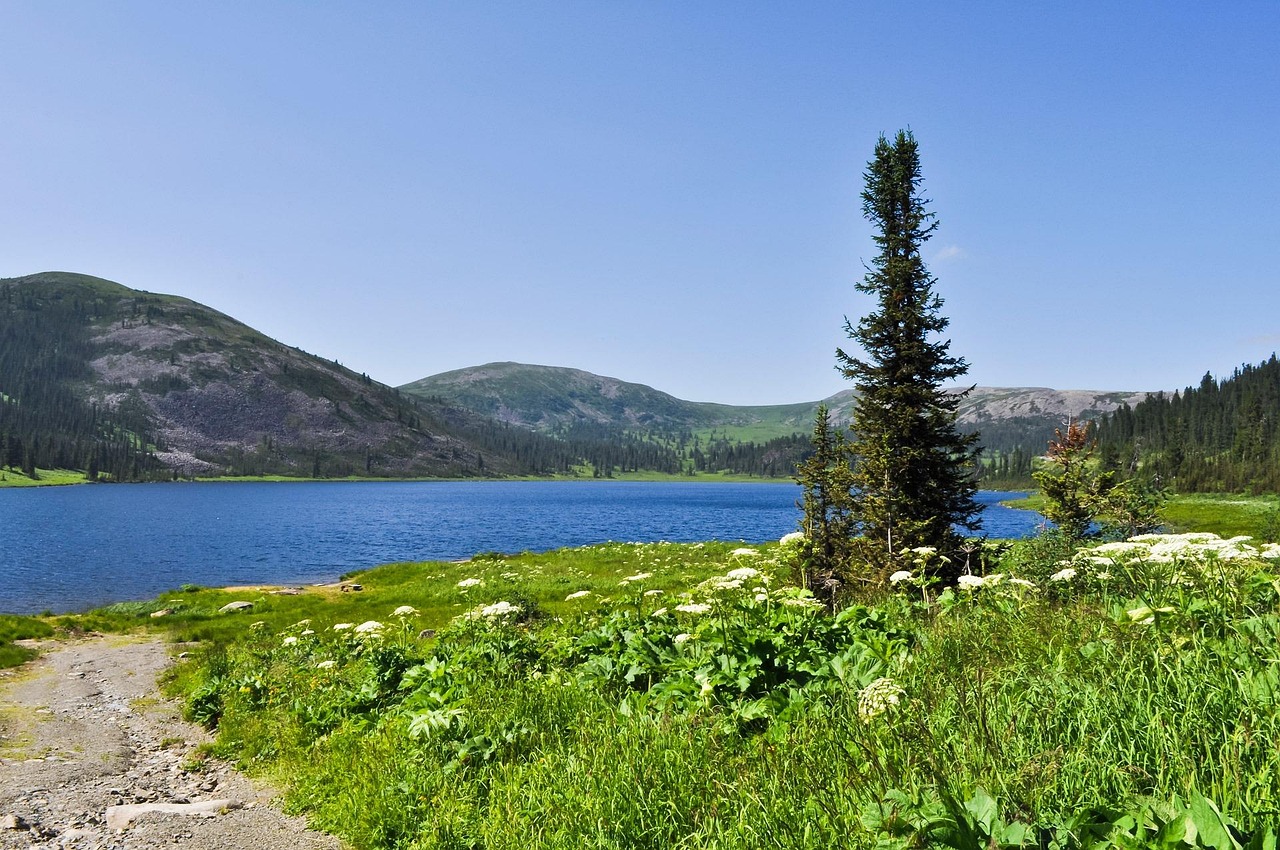
One of the quiet joys of wildflower season is discovering that you do not have to travel far to find something remarkable. Roadside verges, old cemeteries, rail trails, city parks, and the edges of suburban woods all hold wildflowers, often species that have been crowded out of more intensively managed land. Learning to look closely is the real skill, and it is one anyone can develop.
The first step is to slow down. Wildflowers are easy to miss when you are moving quickly, and many of the most interesting species are small — a few inches tall, with flowers the size of a pencil eraser. Walk at a pace where you can actually scan the ground. Early morning is often best, both because the light is softer and because many flowers open fully in the morning and close by afternoon.
Where to Look and What to Bring
Different habitats reward different expectations. Moist woods and stream banks in spring are prime territory for trillium, mayapple, jack-in-the-pulpit, and Dutchman's breeches. Open meadows and prairies in summer offer coneflower, blazing star, and butterfly weed. Disturbed ground — roadsides, field edges, and waste areas — often hosts tough, adaptable species like chicory, Queen Anne's lace, and yarrow, which are beautiful even if they are not always native.
Bring a hand lens, a notebook, and a good regional field guide. Phone apps can help with identification, but treat them as a starting point rather than a final answer, since many species look similar and apps can be confidently wrong. A local guidebook organized by flower color is often the fastest way for beginners to narrow down possibilities. Take notes on habitat, flower shape, leaf arrangement, and bloom time — these details matter more than a single photo.
Respect the places you visit. Stay on trails where they exist, since trampling compacts soil and damages plants. Never dig up wildflowers, and pick only where it is legal and where a species is abundant. In many parks, picking is prohibited entirely, and for good reason. Photographing flowers is almost always the better choice, and it lets you study them later.
Making It a Habit
The real pleasure of wildflower watching comes from returning to the same places again and again. A patch of woods you visit in April will look entirely different in July, and the same trail can reveal a new set of species each month. Keep a simple record of what you see and when. Over a few years, you will build a personal calendar of bloom times that no guidebook can match.
Consider joining a local native plant society or wildflower group. Many organize walks led by experienced botanists, and there is no faster way to learn than walking beside someone who knows the plants. If you have children, wildflower walks are an easy way to build curiosity about the natural world — a scavenger hunt for colors or shapes turns a short walk into an adventure.
Above all, let it be unhurried. The point is not to check off species but to notice what is growing around you, season after season, in places you thought you already knew. The more you look, the more there is to see.