Why Some Wildflowers Only Bloom After a Fire
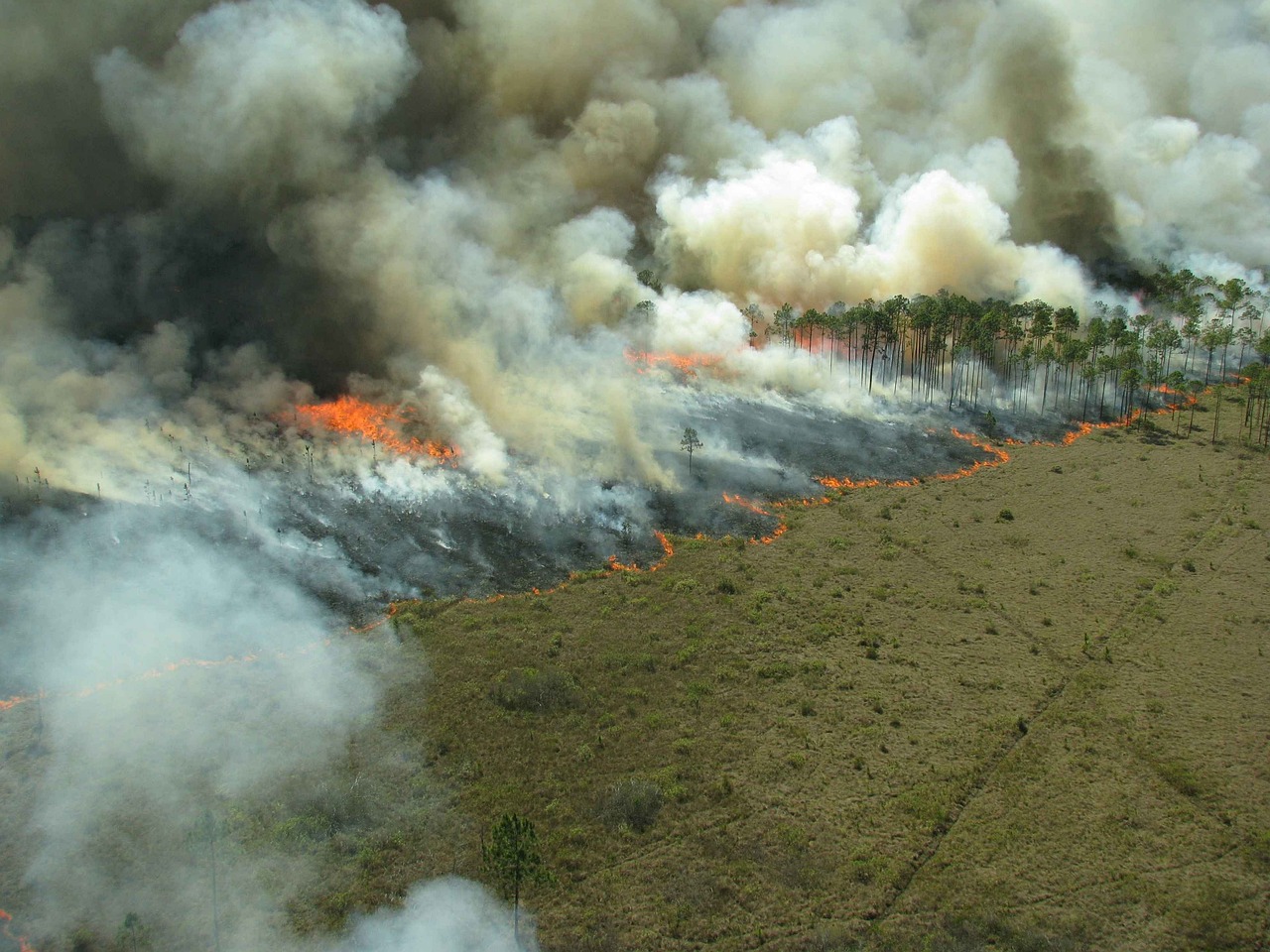
There is a strange and beautiful phenomenon that happens in some grasslands and forests after a fire. The next spring, the ground erupts with flowers that no one has seen for years. Species that were barely hanging on suddenly dominate. It looks like a miracle, but it is actually a set of adaptations that have evolved over thousands of years. Fire is not an enemy to these plants. It is a cue.
Take the fire poppy, which grows in parts of California. Its seeds can lie dormant in the soil for decades, waiting for the heat and smoke of a wildfire. When the fire passes, the seeds germinate almost immediately. The same is true for certain lupines and lilies. They have hard seed coats that need to be cracked by heat or exposed to chemicals in smoke before water can get in and start the growth process. Without fire, those seeds just sit there, viable but asleep.
The Chemistry of Smoke and Heat
Scientists have identified specific compounds in smoke that trigger germination. One of them is called karrikin, and it is found in the smoke of many different plants. When karrikin lands on certain seeds, it signals that the environment has changed. The competition has been cleared. There is ash on the ground, which is rich in minerals. Sunlight is now reaching the soil because the thick layer of grass and brush is gone. For a seed, that is a green light.
Heat plays a role too. Some seeds have a waxy or woody coating that only breaks down at high temperatures. A passing fire provides just enough heat to soften that coating without cooking the seed inside. The timing matters. If the fire is too hot, the seeds die. If it is too cool, nothing happens. This is one reason why prescribed burns are carefully planned. They mimic the natural fires that these plants evolved with, but at a scale and intensity that land managers can control.
What This Means for Gardeners
You probably do not want to set your garden on fire. But you can mimic some of the effects. If you are growing fire-adapted wildflowers from seed, you can scarify the seeds by rubbing them with sandpaper or soaking them in hot water. You can also use a smoke treatment, which is available as a liquid or paper disc from native seed suppliers. These tricks can improve germination rates dramatically for species like blanketflower, prairie clover, and certain penstemons.
More importantly, understanding fire ecology changes how you see a landscape. A burned field is not a tragedy. It is a reset. The blackened ground will soon be green, and the flowers that come up may be ones you have never seen before. Fire keeps these ecosystems diverse. It prevents any one species from taking over. It recycles nutrients. And it gives the dormant seeds a chance to shine. If you ever get the chance to visit a prairie or forest after a prescribed burn, go. You will see a side of wildflowers that only appears when the smoke clears.