The Quiet Power of Spring Ephemerals: Why They Bloom Before the Trees
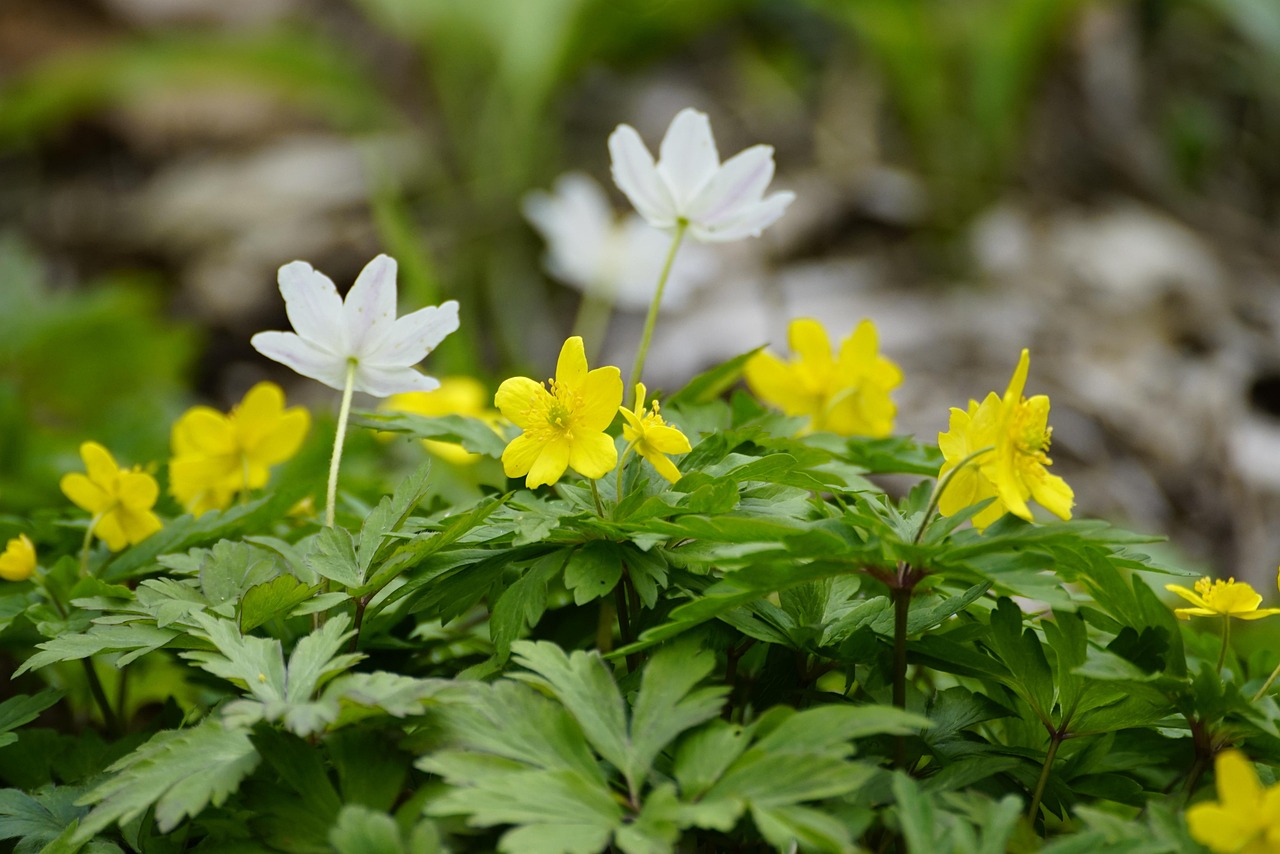
There is a narrow window in early spring when the forest floor glows with color before the trees above have unfurled their leaves. Trout lily, bloodroot, hepatica, spring beauty, and Virginia bluebells all seize this moment. These plants are called spring ephemerals, and their entire above-ground life cycle — emerging, blooming, setting seed, and dying back — can happen in just six to eight weeks. What looks like fragility is actually precision timing refined over thousands of years.
The strategy is simple and elegant. Deciduous trees leaf out gradually, and until they do, sunlight reaches the forest floor in abundance. Ephemerals evolved to exploit that light window rather than compete for it later. Many of them store energy in bulbs, corms, or fleshy roots through the summer and fall, then push up through cold soil using reserves built the previous year. By the time the canopy closes and shade deepens, they have already finished their work and gone dormant.
Growing Ephemerals in a Home Garden
If you want to bring these plants into your garden, the most important thing to understand is that they are not like typical perennials. They will disappear for most of the year, and that is normal. Plant them where you won't accidentally dig them up in summer — under deciduous shrubs, at the base of trees, or tucked among later-emerging perennials like hostas and ferns that will fill the gap once they retreat.
Timing your planting matters. The best window to transplant or divide most ephemerals is right after they finish blooming and while their leaves are still green, which is usually late spring. Bare-root or dormant stock sold in fall can work too, but it is less reliable. Plant them at the same depth they were growing before, and water them consistently through their first spring. After that, most established ephemerals need very little supplemental water — they are adapted to natural rainfall patterns in woodland settings.
Soil is another consideration. Most spring ephemerals evolved in rich, humusy woodland soil that stays consistently moist in spring but drains well. If your garden soil is heavy clay, amend it generously with leaf compost, or grow ephemerals in raised beds. Avoid fresh manure and synthetic fertilizers; a light topdressing of compost or leaf mold in fall is usually enough.
What to Plant and What to Avoid
Some ephemerals are easier to grow than others. Bloodroot, spring beauty, and Virginia bluebells are relatively forgiving once established. Trout lily and lady's slipper orchid are notoriously difficult and are best admired in the wild. When buying, always seek nursery-propagated plants, never wild-collected ones. Many native plant nurseries now specialize in ethically grown ephemerals, and some native plant societies host plant sales in spring.
If you already have ephemerals on your property, resist the urge to tidy them away after they yellow. Those fading leaves are photosynthesizing and storing energy for next year's bloom. Let them die back naturally, and mark their locations so you remember where they are. Patience is part of the pleasure with these plants. They ask for very little, and in return they give you one of the most fleeting and rewarding displays the garden has to offer.