Beyond Basil: Foraging for Wild Herbs in Late Summer
By late summer, the basil has flowered and the cilantro has turned into a lacy skeleton. If you are a forager, this is not a sad moment. It is a handoff. The wild plants that were too small or too bitter in spring are now at their peak, and many of them are herbs you already know by name. The trick is knowing which ones to pick and how to use them without overwhelming your kitchen.
Start with the mint family. Wild bergamot, also called bee balm, is blooming in dry fields and along roadsides. Its leaves smell like oregano crossed with thyme, and the flowers are a sweet, spicy garnish. Yarrow is another one. It grows in tough, sunny spots, and its feathery leaves have a bitter, almost piney flavor that works in small amounts with roasted meat. Then there is wild oregano, which is often a type of marjoram. It is milder than the store-bought version, so you can use it more freely.
Where to Look and What to Avoid
Field edges are your best bet. That transition zone between mowed lawn and unkempt brush is where many herbs thrive because they get sun but not too much competition. Look for plants with square stems and opposite leaves, which is a strong hint that you are in the mint family. Crush a leaf between your fingers. If it smells like something you would cook with, you are on the right track. If it smells medicinal or unpleasant, leave it alone.
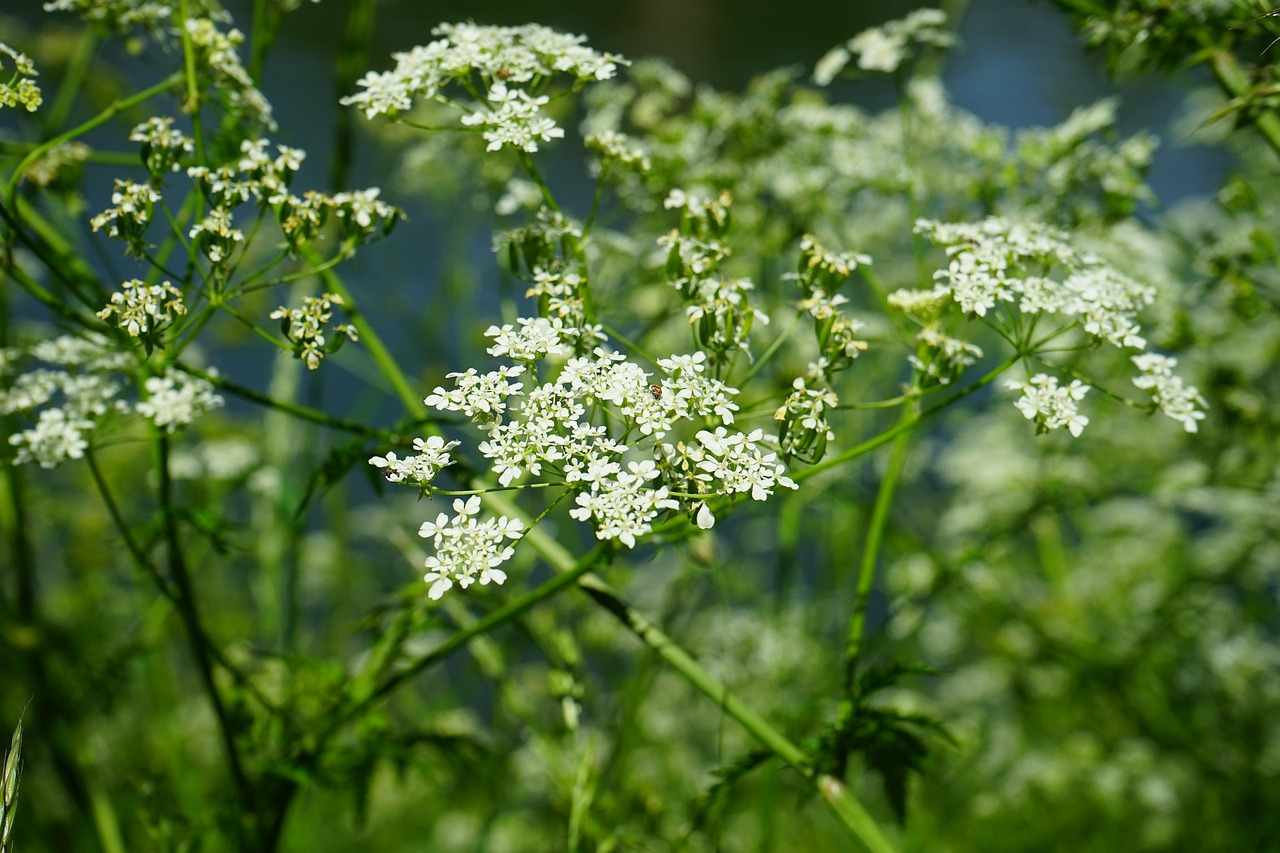
Avoid roadsides that are heavily sprayed or near busy intersections. You do not want to eat exhaust residue or herbicide. Also avoid areas where you cannot identify the plant with certainty. Some wild herbs have toxic lookalikes. For example, wild carrot, also called Queen Anne's lace, is edible, but it resembles poison hemlock. If you are new to foraging, stick with plants you can recognize blindfolded, like mint, and learn the lookalikes before you branch out.
Using Your Foraged Herbs
Wild herbs are often more potent than cultivated ones, so start with less. A few leaves of wild bergamot can perfume a whole pot of tea. Yarrow can be dried and crumbled into a rub for chicken or lamb. Wild oregano is excellent in tomato sauces and on flatbread. You can also make a simple infused vinegar by packing a jar with clean, dry herbs and covering them with apple cider vinegar. Let it sit for two weeks, then strain. That vinegar will carry the flavor of late summer into winter.
One of the pleasures of foraging is that it slows you down. You cannot rush through a field and expect to find good herbs. You have to walk, look, smell, and taste. You have to pay attention to the soil, the light, and the other plants around. In that way, foraging is less about filling a basket and more about reconnecting with the season. The basil may be done, but the wild world is just getting started.