The Case for Letting Your Lawn Go Wild (At Least a Little)
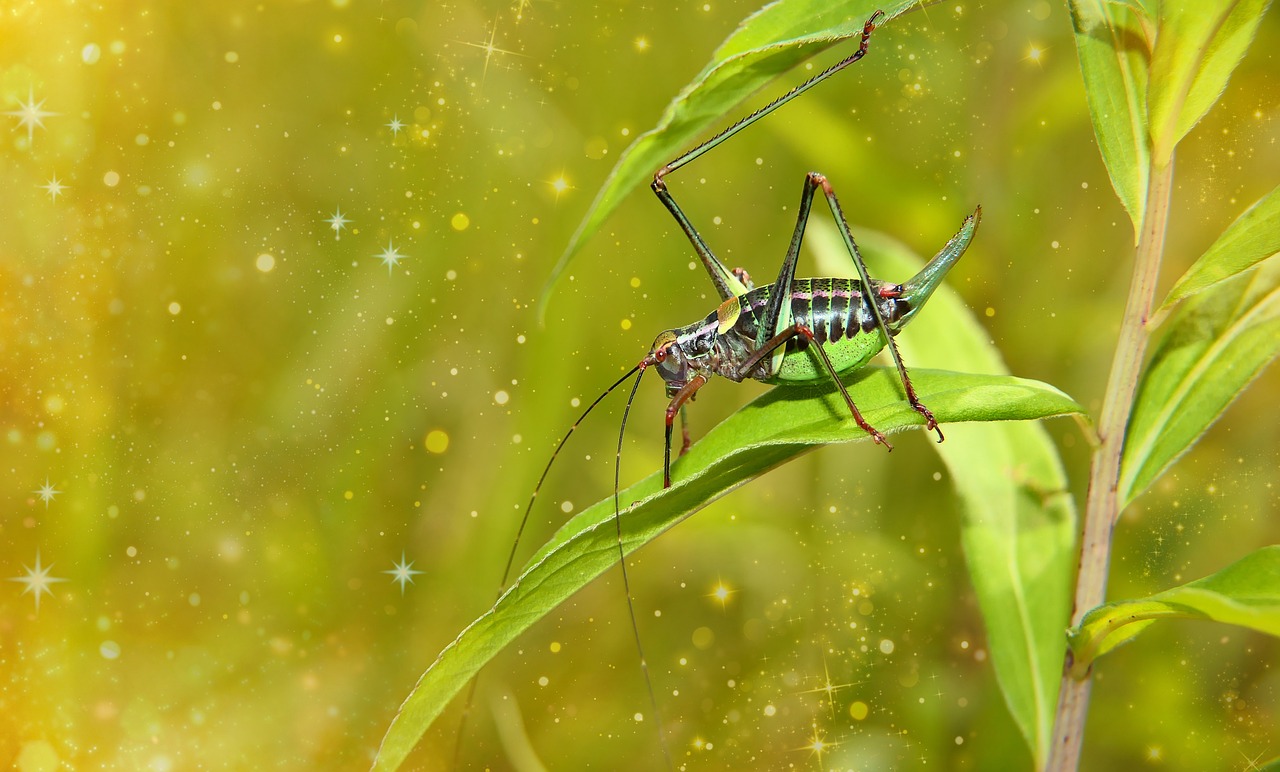
There is a quiet revolution happening in suburban yards. People are replacing patches of manicured turf with wildflowers, clover, and native grasses. The reasons vary. Some want to support bees and butterflies. Some are tired of mowing. Some just like the look of a meadow better than a putting green. Whatever the motivation, the result is often the same: a yard that is more alive, more resilient, and more interesting than it was before.
But you do not have to convert your entire lawn. In fact, you probably should not. A sudden, wholesale change can upset neighbors and local ordinances. Instead, start small. Pick a corner that is hard to mow or that gets too much sun. Stop watering it. Stop fertilizing it. Let it grow for a few weeks and see what comes up. You might be surprised. Often, there are already wildflower seeds in the soil, waiting for a chance to sprout. You might get violets, selfheal, yarrow, or wild strawberry.
Mowing Less, Not Never
A completely unmowed lawn can become a tangled mess, especially in small yards. The key is to mow less often, and at a higher setting. If you mow every two or three weeks instead of every week, you give low-growing flowers a chance to bloom and set seed. You also allow the grass to develop deeper roots, which makes it more drought-tolerant. Set your mower blade to three or four inches. That height is tall enough to protect pollinators but short enough to keep things tidy.
You can also practice something called "mow and let grow." Mow a path through your wilder patch so it looks intentional. Keep the edges neat. That way, the wild area reads as a garden feature rather than neglect. If you have a homeowner association, check the rules first. Some have height limits. But many are more flexible than you might think, especially if you explain what you are doing and why.
What to Plant (and What to Leave Alone)
If you want to add native wildflowers to your lawn, start with species that are low-growing and tolerant of foot traffic. Selfheal is a great choice. It has purple flowers and stays short. Wild strawberry spreads by runners and produces tiny, sweet berries. Pussytoes are another good option. They form a silvery mat and feed the caterpillars of painted lady butterflies. You can overseed these into an existing lawn in early spring or fall, or plant plugs in bare spots.
Do not bother with seed mixes that contain non-native species like forget-me-nots or cosmos. They may look pretty, but they do not support local insects the way native plants do. Also, resist the urge to tidy up too much in autumn. Leave the fallen leaves and standing stems through winter. That is habitat for overwintering insects and seeds for birds. You can clean up in late spring, after the weather warms. Your yard may look a little ragged in February, but by June it will be buzzing with life. And you will have done something genuinely useful for the world right outside your door.