Building a Pollinator Garden with Native Wildflowers: A Season-by-Season Plan
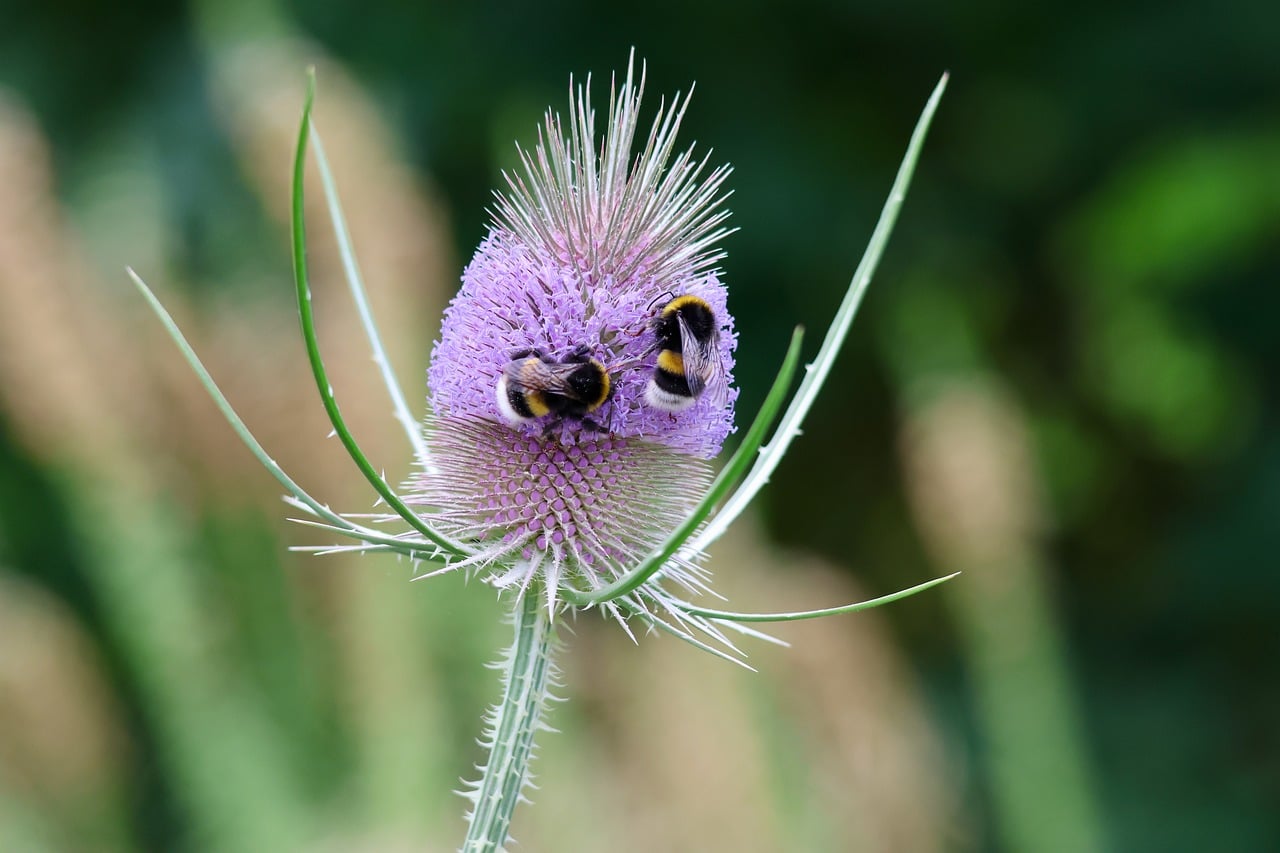
When most people picture a pollinator garden, they imagine a summer meadow in full bloom. But pollinators need food and shelter across the entire growing season, from the first warm days of late winter to the last frost of autumn. A garden designed only for midsummer may look spectacular for a few weeks, but it leaves bees, butterflies, and other insects hungry the rest of the year. The solution is to plant with the calendar in mind.
Start by observing your site. How many hours of direct sun does it receive? Is the soil sandy and fast-draining, or heavy and slow? Which direction does it face? Native plants are not interchangeable — a plant adapted to dry prairie soil will struggle in a wet lowland, and vice versa. Matching plants to your conditions is the single biggest factor in success, far more important than any soil amendment or fertilizer.
Spring and Early Summer: Feeding the First Emergers
As soon as temperatures climb above freezing, queen bumblebees and early native bees begin searching for pollen. Plants that bloom in April and May are critical. Good choices include wild columbine, Virginia bluebells, creeping phlox, and golden alexander. These early bloomers often grow in woodland-edge conditions, so they appreciate partial shade and soil that stays moist in spring.
This is also the season to leave things a little messy. Many native bees nest in bare ground or in hollow stems left standing from the previous year. Resist the urge to cut everything back in early spring. Wait until temperatures are consistently above fifty degrees Fahrenheit for several days, which allows overwintering insects to emerge.
By late spring and early June, the palette widens. Penstemon, spiderwort, and Baptisia begin to bloom, and the first monarch butterflies may appear looking for milkweed. If you plant only one host plant, make it milkweed — common milkweed, butterfly weed, or swamp milkweed, depending on your soil. Monarch caterpillars cannot eat anything else.
High Summer into Fall: Sustaining the Long Haul
Midsummer is when native wildflowers hit their stride. Purple coneflower, black-eyed Susan, bee balm, Joe Pye weed, and mountain mint all bloom in this window and are magnets for bees and butterflies. Plant them in generous drifts rather than single specimens, since pollinators find patches of color more efficiently than scattered plants.
As summer fades, the garden's job is not over. Goldenrod and asters are among the most important pollinator plants of the entire year, supporting bees, butterflies, and beneficial wasps well into October. Many gardeners mistakenly blame goldenrod for hay fever, but its pollen is heavy and sticky and does not travel on the wind — the real culprit is ragweed, which blooms at the same time. Leave goldenrod and asters standing through winter, both for the seeds that feed birds and for the insects sheltering in their stems.
Water newly planted natives through their first summer, but once established, most need little or no irrigation. Skip pesticides entirely, and leave a shallow dish of water with a few stones for thirsty bees. A pollinator garden rewards patience. In its first year it may look modest, but by the third season it will be alive with movement from spring through frost.