The Secret Life of a Meadow: Why Disturbance Keeps Wildflowers Coming Back
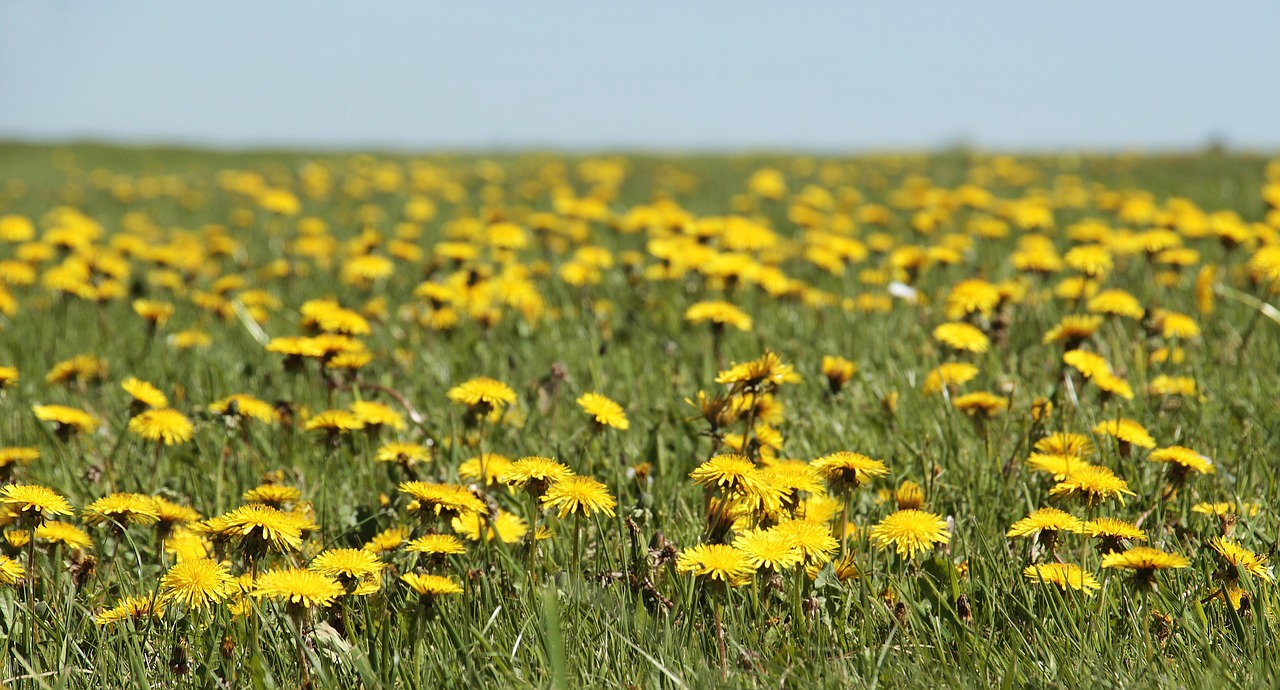
If you drive past an old field that has been left alone for a decade, you might expect a riot of color. Instead, you often find a wall of scrubby trees and a few shade-tolerant grasses. The wildflowers that thrilled you five years ago are gone. This surprises people, because we tend to think nature, left undisturbed, drifts toward abundance. In reality, most of our favorite meadow wildflowers are adapted to some form of disturbance, and when that disturbance stops, they quietly lose the competition.
Think about what a meadow really is. It is not a stable, permanent community. It is a temporary stage in a long process. Sunlight floods the ground, and fast-growing perennials rush in. But tree seedlings are also there, waiting. Each year they get a little taller. Eventually they cast enough shade that the sun-loving flowers can no longer set seed. Without something to knock the trees back, the meadow becomes a woodland. The flowers did not fail. The conditions simply changed.
What Counts as Disturbance
Disturbance is a loaded word, but in ecology it just means anything that interrupts the current trajectory. Fire is the classic example. Many prairie and meadow plants have deep roots and buds tucked safely below the soil, so they resprout after a burn while shallow-rooted woody plants suffer. Grazing is another. Bison, deer, and historically livestock kept grasslands open by trampling and nibbling. Mowing can mimic some of that effect if timed right, though it is not a perfect substitute because it leaves clippings that can smother low growers.
Even something as simple as late-season cutting can make a difference. If you cut a meadow in autumn after seeds have dropped, you set back woody seedlings and reduce the thatch layer that otherwise shades out small plants. The key is timing. Cut too early and you remove food and cover for insects and birds. Cut too late and you may miss the window before seedlings harden off. The sweet spot is usually after the first hard frost but before new growth starts.
What This Means for Your Garden
If you are trying to grow a wildflower patch, you are not creating a museum. You are running a small, dynamic system. That means you can intervene. You can pull or cut woody invaders while they are small. You can leave some stems standing through winter for overwintering insects, then clean up in early spring. You can avoid fertilizing, because rich soil favors aggressive grasses and weeds over the slower, leaner wildflowers. You can also accept that your patch will change from year to year. A wet spring might favor one species. A dry summer might favor another.
Some gardeners find this unsettling. They want a predictable palette. But the shifting nature of a meadow is part of its beauty. The disturbance you provide, whether it is a annual mowing, a careful burn where legal, or simply hand-pulling saplings, is not a failure of naturalness. It is a continuation of the same processes that kept these plants alive for thousands of years. You are not managing a garden so much as participating in a cycle. The wildflowers are not asking for perfection. They are asking for a little competition to stay in the game.