A Forager's Guide to Autumn Roots and Tubers
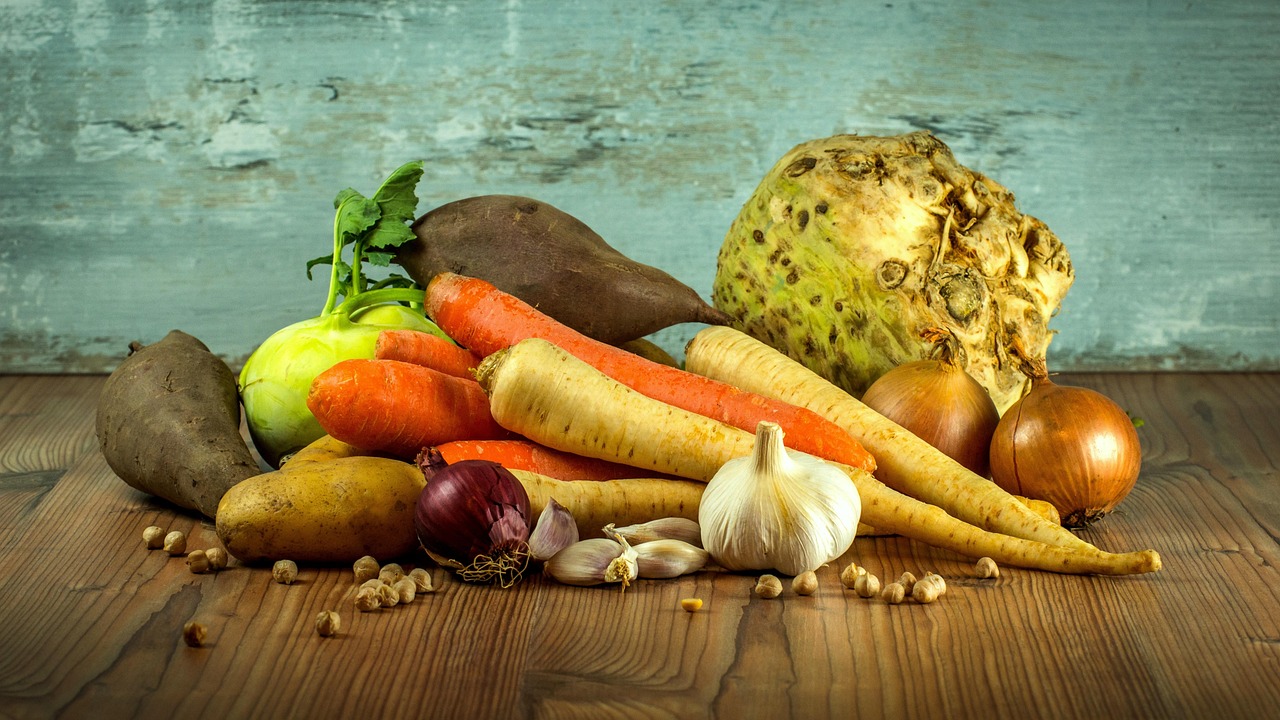
Spring and summer get all the attention in foraging circles. Greens, berries, flowers. But autumn is when the roots are fat. As the above-ground parts of perennial plants die back, they send their stored energy into tubers, corms, and rhizomes. That is the plant's winter survival kit, and it is also a rich source of food for anyone willing to dig. The catch is that you have to know what you are doing, because some roots are delicious and some are dangerous.
One of the safest and most rewarding autumn roots is the Jerusalem artichoke, also called sunchoke. It is a native sunflower with a tuber that tastes like a cross between a potato and an artichoke heart. You can find it in fields, along roadsides, and in old homesteads. The tubers are knobby and hard to clean, but they are worth the effort. They can be roasted, mashed, or sliced raw into salads. Just do not eat too many at once, as they contain inulin, which can be hard on some stomachs.
Other Roots Worth Knowing
Wild carrot, or Queen Anne's lace, has a taproot that smells like a carrot and can be eaten in its first year. But be extremely careful. Poison hemlock and water hemlock look similar, and both are deadly. If you are not absolutely certain, skip it. Another option is the groundnut, a vine that grows in moist thickets. It produces a string of tubers underground, each about the size of a small potato. They have a sweet, nutty flavor and can be boiled or roasted. The plant is in the legume family, so it also fixes nitrogen in the soil.
Then there is cattail. Most foragers know it for its shoots and pollen, but the rhizomes are also edible. They are starchy and can be dried and ground into flour. The best time to harvest them is late autumn, after the leaves have turned brown. You will need to dig in wet soil, so wear boots and be prepared to get muddy. The rhizomes are tough, but if you peel away the outer layer, the inner core is tender and sweet.
Ethics and Practical Tips
Never dig on private land without permission, and never dig in parks or nature preserves. Roots are the life of the plant, so take only a small fraction of what you find. If there are only a few plants in an area, leave them alone. Spread your harvest across a wide area so you do not damage any single patch. Use a sturdy digging fork rather than a shovel, which can slice through tubers. And always clean your harvest well. Soil can hide small stones and grit that will ruin a meal.
Autumn foraging is slower and more deliberate than summer berry picking. You are not grabbing handfuls of fruit. You are kneeling in the dirt, digging carefully, and learning the shape of each plant's underground world. It is a quiet, grounding way to end the growing season. And when you sit down to a bowl of roasted sunchokes or a pot of cattail flour pancakes, you will taste the effort in every bite.