Foraging for Spring Greens: A Beginner's Guide to Dandelion, Chickweed, and Violet
Foraging has a reputation for being difficult or dangerous, but the truth is that some of the best wild edibles are plants most of us already know by sight. Dandelion, chickweed, and violet are widespread, easy to identify, and forgiving for beginners. They also happen to be delicious. Learning these three well will give you confidence to notice and study other plants more carefully.
The first rule of foraging is to be certain. Never eat a plant you cannot identify with complete confidence. The second rule is to forage only from clean, unsprayed ground — away from roadsides, pesticide-treated lawns, and areas where dogs are walked. A backyard that has not been treated with chemicals is often the best foraging ground of all.
Dandelion: The Whole Plant Is Useful
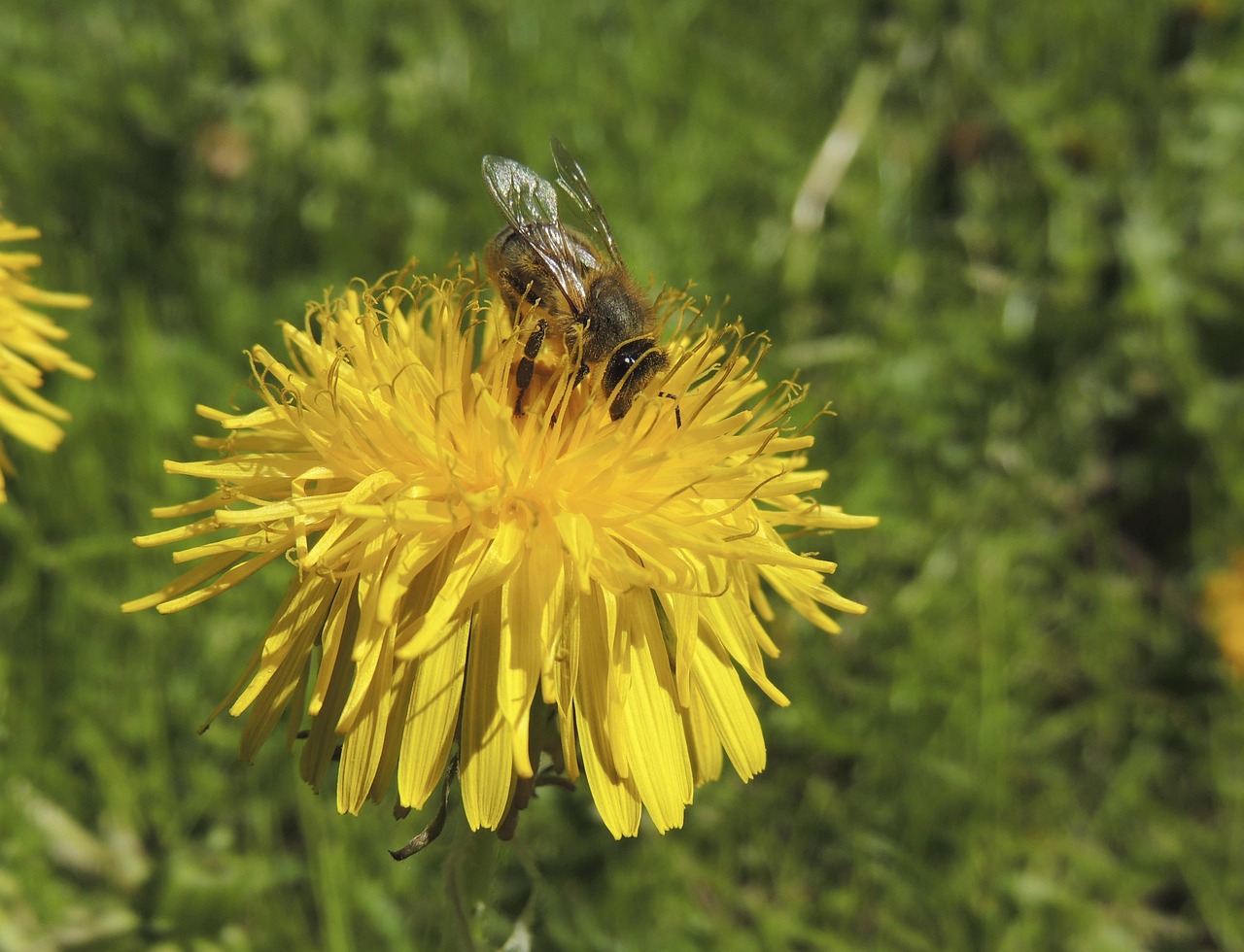
Dandelion (Taraxacum officinale) is unmistakable once you know it. It has a rosette of deeply toothed leaves growing from a single taproot, hollow stems, and a single yellow flower per stem. Every part is edible. The young leaves in early spring are the least bitter and can be used raw in salads or cooked like spinach. Older leaves get bitter, but they are excellent sautéed with garlic and olive oil, or blanched and added to soups.
The flower buds, picked before they open, can be pickled and used like capers. The open flowers can be battered and fried, or steeped to make dandelion wine or syrup. The roots can be roasted and ground as a caffeine-free coffee substitute. When digging roots, use a sturdy dandelion fork or a small trowel, and work in moist soil when possible. Roots are best harvested in fall, when the plant has stored energy for winter.
Chickweed and Violet: Mild, Versatile, and Abundant
Chickweed (Stellaria media) is a low-growing annual with small, star-shaped white flowers and a single line of hairs running up each stem — that line of hairs is a helpful identifying feature. It tastes mild and slightly sweet, with a texture reminiscent of corn silk. It is wonderful raw in salads, layered into sandwiches, or blended into pesto. Chickweed is best in cool weather; it becomes stringy and less appealing in heat. Harvest the top few inches of each stem and use it fresh, as it does not keep long.
Violet (Viola species) is another gentle introduction. The leaves are heart-shaped with scalloped edges, and the flowers range from deep purple to blue, white, or yellow depending on species. Both leaves and flowers are edible. The leaves have a mild, slightly grassy flavor and can be used raw or cooked. The flowers are lovely in salads, crystallized for desserts, or infused into vinegar and syrup. Violet leaves also thicken soups and stews slightly, similar to okra, thanks to their mucilaginous quality.
Start with small amounts of any new wild food, even common ones, since individual reactions vary. Try one plant at a time before combining them. And remember that responsible foraging means taking only what you will use, leaving plenty behind for wildlife and for the plants to regenerate. The more you learn, the more the landscape around you becomes a source of both food and connection.